In desperation she tried to run, to no avail. Mohammed caught her in no time. In any case, there was nowhere to go. She was in the midst of a hostile, rocky desert. And a woman in the Middle East, in western clothes, with neither money nor passport, can't get very far.
A week later she met up with Nadia at the home of Gowad, another acquaintance of their father. Nadia couldn't understand her sister's distress at their reunion, and Zana could do nothing to prepare her. In tears, she was made to tell Nadia of their new fate : that they were married, that their father had sold them off, and that Nadia was now the wife of 13-year-old Samir, Gowad's son. Same shock, same horror. In that moment, Nadia lost the carefree oblivion of her fourteen years, and became a listless slave to these men.
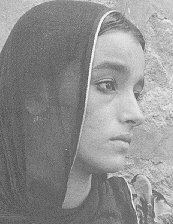 But Zana was more obstinate than Nadia; she was stronger, she would fight. Nadia was susceptible; she would tolerate, submit. And Zana didn't want to leave her that day. She knew what was in store for her, but her protests were in vain. Nadia was taken into Gowad's house in the village of Ashube, with her new "husband", Samir, and Zana was sent back to Hockail. The plan was to separate the sisters so that they might assimilate more quickly.
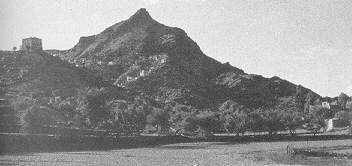
For a while, Abdul Khada allowed Zana to visit her sister in Ashube, a half-hour's walk away. She went every day, always accompanied by her jailor, to speak to Nadia in English, keep her dreams and hopes alive, to console her, comfort her, and fight for her.